Caribbean Food Centennial: Exploring the Islands Through Their Kitchens

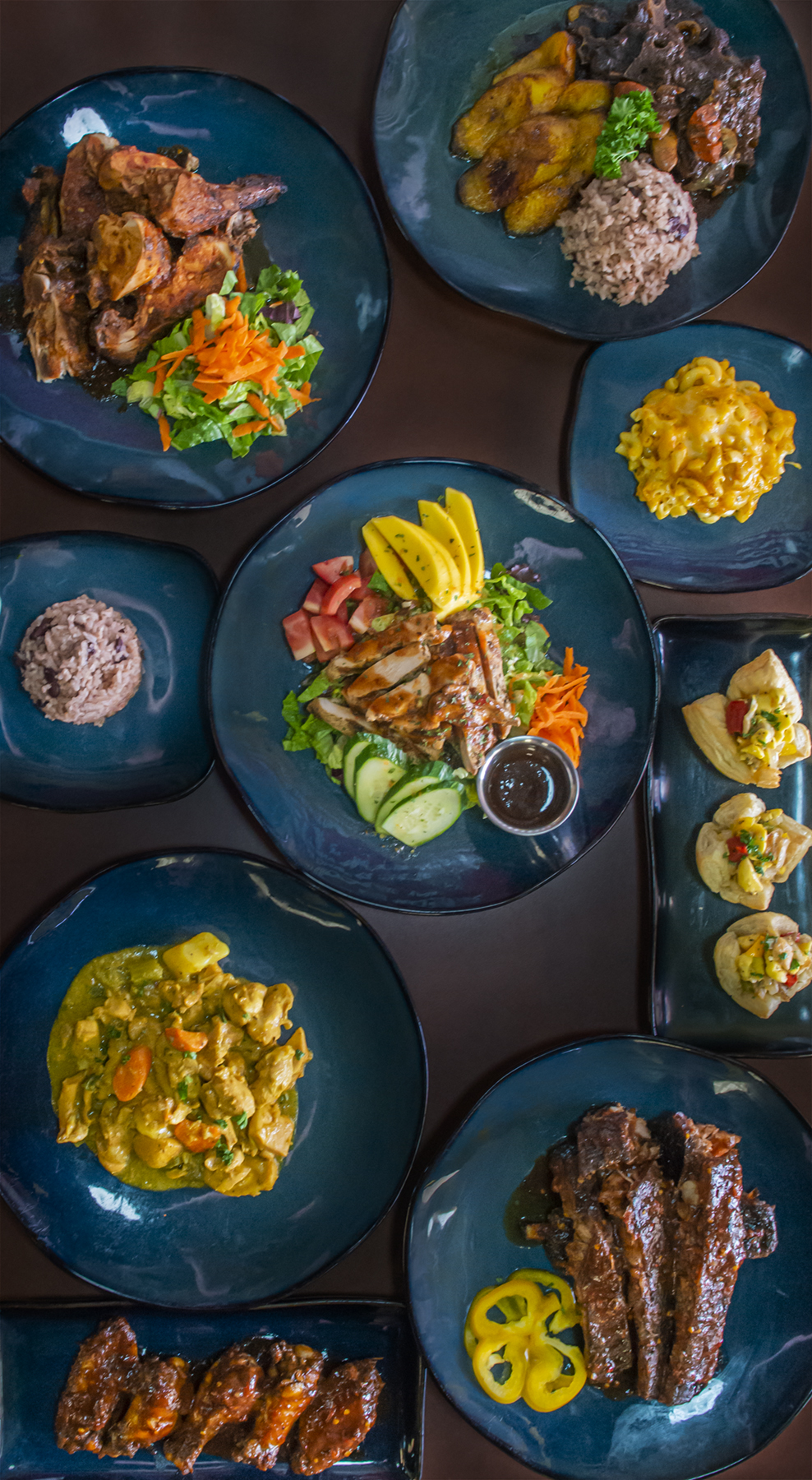
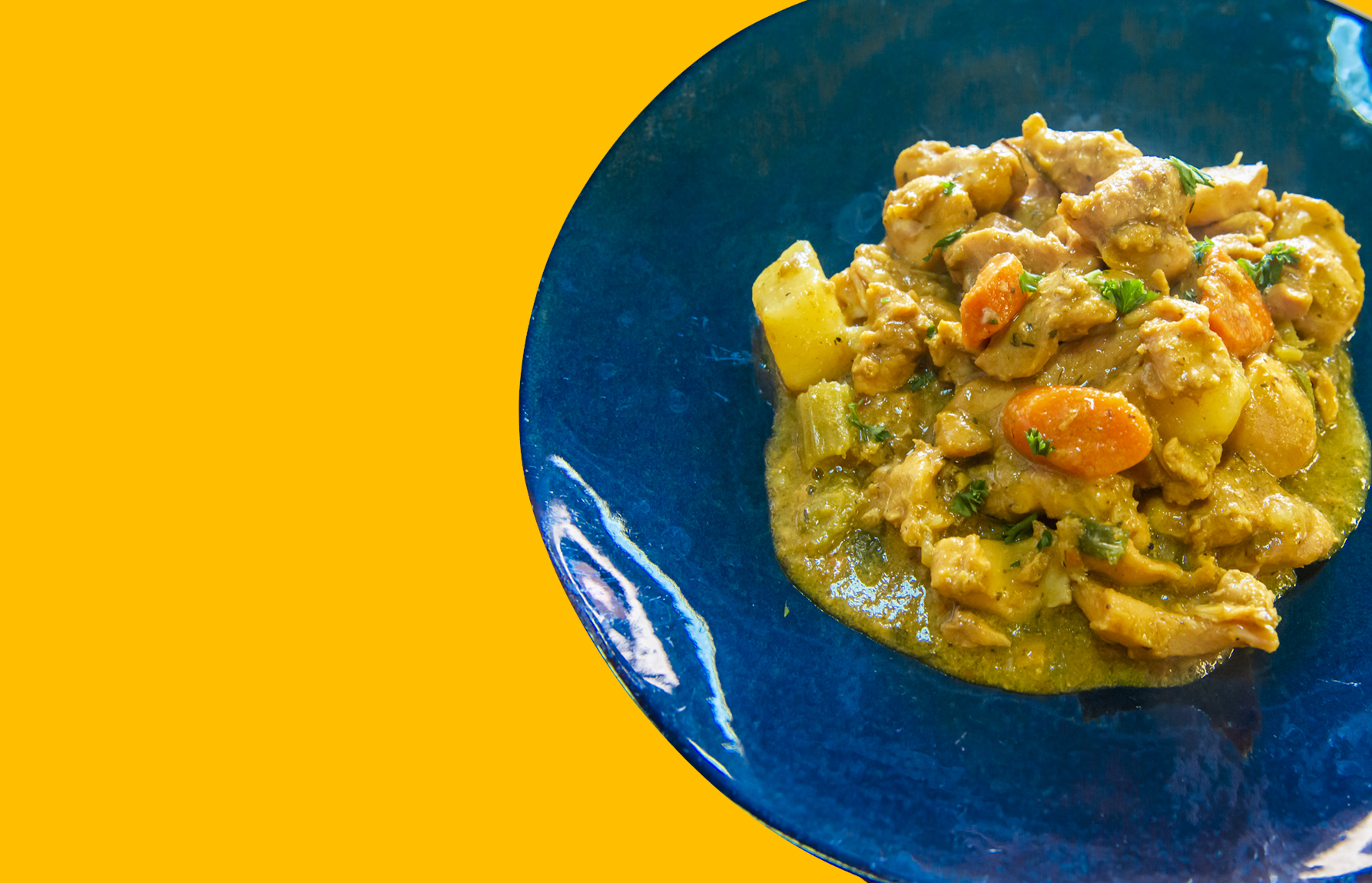
A hundred years is a useful span for understanding food. It is long enough to reveal what endures, what adapts, and what disappears under pressure. In the Caribbean, a centennial lens brings the region into focus in a particularly vivid way. Recipes here do not sit still. They move with people, storms, sugar, migration, religion, trade routes, wartime shortages, tourism booms, and the stubborn loyalty of home cooks who keep flavor alive even when ingredients change.
To talk about a Caribbean food centennial is not to suggest a single anniversary with one menu and one story. The Caribbean is too varied for that. The islands share currents, ingredients, and historical forces, yet each kitchen has its own grammar. A pepperpot in Guyana speaks differently from a fish broth in Jamaica. A plate of cou-cou and flying fish in Barbados carries a different social history from Puerto Rican arroz con gandules or Trinidadian doubles eaten at daybreak. Even when dishes look related, the seasoning logic, the starch pairing, the timing, and the occasion can shift from island to island.
What ties the region together is not uniformity but pattern. A cook familiar with the Caribbean starts to recognize the recurring foundations. There is a respect for layered seasoning rather than superficial spice. There is an instinct to build meals around starches that satisfy and stretch, cassava, rice, green banana, breadfruit, yam, plantain. There is an old habit of making hard times taste generous. Saltfish, offal, root crops, coconut, and preserved meats became more than fallback ingredients. They became signatures.
A region shaped at the stove
Caribbean food cannot be separated from the region’s colonial history, though reducing it to colonial influence alone misses the point. Indigenous foodways shaped the earliest cooking patterns, especially the use of cassava, peppers, maize, and smoking techniques. African culinary knowledge transformed island agriculture and kitchen practice, from one-pot cooking to rice traditions, from fritters to stews, from callaloo greens to the handling of okra. European empires imposed ingredients, labor systems, and trade structures. Indian indentured workers brought cumin, curry leaves, geera, roti culture, and a new relationship to legumes and flatbreads. Chinese and Middle Eastern migrants left quieter but still important marks through shop culture, seasoning styles, noodle dishes, and baked goods.
Across a century, that layering becomes easier to see. A recipe that many families treat as fixed often turns out to be a record of movement. Curry goat in one generation may have been made with mutton in another. A grandmother’s black cake might once have relied on locally available rum and preserved citrus peels, then later shift to imported dried fruit as distribution changed. Breadfruit, once planted widely as a cheap starch for enslaved populations, now appears on restaurant menus as a point of pride and culinary sophistication.
That movement is part of the reason Caribbean cooking remains so alive. Nothing about it is museum food. The best cooks in the region know tradition intimately, but they are rarely rigid. They adjust to the fish caught that morning, to a delayed shipment of onions, to a mango season that came early, to a neighbor arriving unexpectedly. The kitchen is practical before it is ideological.
The old architecture of flavor
If you spend enough time in Caribbean kitchens, you notice that recipes often begin before the pot is heated. They begin with green seasoning, epis, sofrito, curry blends toasted in oil, pounded garlic, chopped scallion, thyme stripped from the stem, onion softened until sweet, Scotch bonnet or other hot peppers handled with caution and respect. The names and exact combinations differ, but the principle is consistent. Flavor should be built into the food, not sprinkled on at the end as an afterthought.
This is why outsiders sometimes misunderstand the region’s food as merely “spicy.” Heat matters, certainly, but it is only one part of the picture. In many households, a whole pepper is dropped into a soup or stew to perfume it without breaking open. That gives aroma and depth without overwhelming fire. A well-made Caribbean dish often aims for balance: sweetness from caramelized sugar or ripe plantain, savoriness from salted meat or stock, brightness from lime, richness from coconut milk, bitterness from greens, and heat that arrives in a measured way.
A pot of peas and rice offers a small lesson in this architecture. At first glance, it can seem simple, rice cooked with beans. Yet the difference between an average version and a memorable one usually comes down to stock, coconut milk, herb choice, the quality of the peas, and the cook’s sense of moisture and timing. Too much liquid and the grains swell past themselves. Too little seasoning and the dish falls flat. Done properly, each grain tastes seasoned, the peas hold shape, and the pot smells of thyme, coconut, and steam.
Jamaica, where smoke, pepper, and memory meet
Jamaica often serves as the gateway for global audiences discovering Caribbean food, largely because jerk traveled well. It is dramatic, aromatic, and easy to romanticize. Yet reducing Jamaican cuisine to jerk chicken does the island a disservice. The cuisine runs deep through pepperpot soup, escovitch fish, ackee and saltfish, mannish water, rundown, festival, bammy, and patties that vary considerably depending on the baker and parish.
Jerk itself deserves closer attention. The technique is older and more nuanced than many commercial versions suggest. Traditional jerk relies on pimento wood smoke, allspice, Scotch bonnet, thyme, scallion, and a marinade that penetrates. The best roadside jerk does not simply scorch meat. It balances char with juiciness and carries sweetness from the smoke itself. One of the most common mistakes in imitation jerk is oversalting or overloading cinnamon and nutmeg at the expense of allspice and fresh herbs. Another is forgetting that texture matters. Jerk should have bark, not just sauce.
Ackee and saltfish tells a different Jamaican story, one of adaptation and reassembly. Salt cod, preserved for trade and long storage, met ackee, a fruit that became naturalized and beloved. The result is a national dish built from imperial commerce and local ingenuity. Good ackee and saltfish should be soft but not mushy, briny but not harsh, with onion, tomato, and pepper supporting caribbean food centennial rather than dominating. Eaten with fried dumplings, breadfruit, or green banana, it becomes a plate that explains the island better than any slogan.
Trinidad and Tobago, where street food becomes civic identity
Few places in the Caribbean demonstrate culinary pluralism as joyfully as Trinidad and Tobago. Here, African, Indian, Chinese, Syrian-Lebanese, and European influences coexist in ways that feel immediate and everyday rather than curated. The result is a food culture with unusual breadth for islands of their size.
Doubles might be the most democratic expression of that culture. Two bara, soft and fried, cradling curried channa, then dressed to taste with pepper sauce, kuchela, tamarind, or cucumber. It is breakfast, hangover cure, worker’s meal, and object of deep local debate. The dough should be tender and slightly chewy. The channa should hold shape while still carrying enough gravy to soak in. The sauces matter, but the balance between them matters more. A doubles vendor who misjudges that balance will be remembered, and not kindly.
Roti culture in Trinidad adds another layer. Buss up shut, dhalpuri, and paratha are not interchangeable, though visitors often treat them that way. The filling inside, whether curried goat, chicken, shrimp, pumpkin, or channa and aloo, needs to suit the style of wrap. Goat can take stronger spice and deeper browning. Pumpkin asks for a lighter hand. These are the kinds of distinctions that experienced cooks make instinctively.
Then there is pelau, one of the region’s great one-pot meals. Rice, pigeon peas, coconut milk, meat browned in caramelized sugar, all cooked together until the flavors settle into each other. Pelau rewards confidence more than fussiness. If the sugar burns too far, bitterness takes over. If it does not caramelize enough, the dish lacks depth. A proper pelau tastes of smoke, coconut, stock, and browned meat, with each spoonful carrying a little history of thrift and celebration.
Puerto Rico and the Spanish Caribbean table
In Puerto Rico, Cuba, and the Dominican Republic, the pantry shifts toward sofrito, olives, capers, tomato, annatto, and rice dishes that reveal close ties to Spanish culinary frameworks while remaining fully Caribbean in spirit. Plantains are central, pork is prominent, and festive cooking often depends on patient prep done over several days.
Puerto Rican pernil is a study in confidence. The marinade, heavy with garlic, oregano, salt, and citrus, must get into the flesh. The roast needs time, and the skin needs proper drying if crackling is the goal. Lechón culture on the island is not just about flavor. It is about gathering. It is about the social life around the roast, the music nearby, the side dishes arriving in sequence.
Mofongo offers another kind of insight. Mashed green plantains, garlic, pork cracklings, and broth, molded and served with meat or seafood, can be dense and lifeless in careless hands. Done well, it is savory, aromatic, and surprisingly delicate. The challenge is moisture. Too dry and the plantain turns stubborn. Too wet and the structure collapses. Good mofongo depends on timing and on the cook’s instinct for how much liquid the plantains can absorb.
Across the Spanish-speaking Caribbean, rice dishes such as arroz con gandules, moro, and locrio demonstrate how rice became not merely a side but a foundation. These dishes are rarely accidental. They rely on the cook knowing when to stir, when to stop stirring, and how to control the bottom of the pot. Many family arguments in the Caribbean are, at heart, arguments about rice.
The French and Creole islands, elegance built from necessity
Martinique, Guadeloupe, Haiti, and other Creole-speaking territories show another side of Caribbean food history, one where French culinary techniques encountered African, Indigenous, and local ingredients. The resulting food can feel refined in one moment and deeply rustic in the next.
In Martinique and Guadeloupe, court-bouillon of fish demonstrates this duality. The broth may carry tomato, herbs, lime, chili, and aromatics, but its success rests on restraint. The fish must stay intact. The broth must remain lively rather than muddy. Accras, those salt cod fritters found across the region in different forms, seem casual but expose every flaw in a cook’s judgment. Oil temperature too low and they absorb grease. Batter too thick and they turn heavy. Seasoning too timid and they become forgettable.
Haiti’s griot, pikliz, and diri kole ak pwa form one of the Caribbean’s great flavor combinations. The pork is marinated, simmered, then fried until crisp at the edges. Pikliz cuts through richness with vinegar, cabbage, carrot, and fierce heat. Black mushroom rice or rice with beans rounds out the plate. It is celebratory food, but it is also food of precision. Griot without acidity tastes flat. Pikliz without crunch feels wrong. The plate depends on contrast.
Barbados, the eastern Caribbean, and the sea on the plate
Barbados is often introduced through cou-cou and flying fish, and fairly so. It is a dish that says a lot about the island: cornmeal and okra worked together into something smooth and substantial, paired with fish that reflects the surrounding waters. Yet Bajan food extends further into pudding and souse, fish cakes, pepperpot, and macaroni pie that is richer and firmer than many visitors expect.
Macaroni pie deserves mention because it reveals a regional truth. Similar ingredients can produce dramatically different outcomes depending on local preference. In much of the Caribbean, baked macaroni is not meant to slump onto the plate like a creamy casserole. It is meant to hold a slice. The texture is deliberate. Sharp cheese, mustard, evaporated milk, and seasoning create structure as much as flavor.
Across the eastern Caribbean, soups often carry remarkable authority. Goat water in Montserrat, callaloo in several islands, fish broths bright with lime and provisions, all show the region’s gift for turning a pot of liquid into a complete meal. These are dishes that understand nourishment in a broad sense. They fill the stomach, yes, but they also restore after rain, after work, after grief, after a long journey home.
The pantry of endurance
Some ingredients recur so often in Caribbean cooking that they amount to a shared language. Their staying power over the past century says a great deal about the region’s culinary values.
Saltfish remains one of the great examples. Preserved cod entered island diets through Atlantic trade networks and stayed because it was practical, storable, and adaptable. It appears with ackee in Jamaica, in fritters and buljol in Trinidad, in bacalaítos in Puerto Rico, and in countless breakfast plates and stews. It also teaches an important lesson in technique. Desalting is not a formality. The soaking time changes with thickness, and a cook who does not taste before using it risks ruining the dish.
Plantains have shown equal endurance because they are so versatile. Green, they fry into tostones, boil into soups, or mash into mofongo. Ripe, they sweeten breakfasts and savory plates alike. Breadfruit, cassava, and yam persist for similar reasons. They are reliable, filling, and deeply embedded in regional memory.
Coconut, too, threads through the islands in different forms, fresh milk, grated flesh, oil, sweets, stews, rice dishes. In some places it defines holiday baking. In others it anchors everyday meals. Fresh thyme, scallion, hot pepper, and garlic sit close beside it as the aromatic backbone of many kitchens.
What changed over the last hundred years
Looking at the Caribbean through a century of cooking reveals real shifts, some welcome and some less so. Refrigeration altered storage and shopping habits. Imported wheat products expanded baking culture and changed breakfast habits. Tourism created demand for recognizable dishes, which helped preserve some traditions while flattening others into performance food. Migration carried recipes outward to London, Toronto, Miami, New York, and beyond, where Caribbean communities rebuilt familiar meals with whatever local ingredients they could find.
The diaspora changed the islands in return. A family recipe might leave St. Lucia in the 1960s, adapt in Brooklyn, then return decades later through visiting relatives with a slightly sweeter seasoning profile or a new shortcut involving canned ingredients. This is not necessarily decline. It is how food lives.
There have also been losses. Some younger cooks know the restaurant version of local food better than the labor-intensive home version. Certain traditional starches lost ground to imported rice and flour. Fast food entered aggressively, particularly in urban areas, and convenience products shortened processes that once taught patience and touch. Yet the story is not simply one of erosion. In many islands, there is renewed interest in breadfruit, cassava flour, bush teas, local cocoa, and pre-colonial ingredients. Chefs are revisiting old dishes with care rather than gimmickry.
A century ago, many of the region’s most valued dishes were associated with labor, scarcity, or survival. Today, some of those same dishes appear in boutique hotels and ambitious restaurants. That change can feel validating, but it also raises uncomfortable questions. Who gets credit? Who profits? What happens when a food once mocked as poor people’s cooking becomes fashionable after being plated differently?
How to taste the Caribbean well
Anyone exploring the islands through their kitchens benefits from a little humility. The most famous dish is not always the best first bite. The polished restaurant is not always the truest expression of place. Some of the most revealing meals are found in small lunch spots, roadside grills, bakeries, market stalls, and family-run cookshops that serve one or two things exceptionally well.
A few habits improve the experience:
Ask what people eat on ordinary days, not just at festivals. Everyday food often tells the deeper story.
Pay attention to starches and side dishes. They are not filler. They carry identity.
Notice how pepper is handled. The difference between heat and flavor is one of the region’s great culinary lessons.
Try the breakfast table. Saltfish, bakes, cocoa tea, porridge, fried plantain, and fresh bread often reveal more than dinner menus aimed at visitors.
Respect local timing. If the soup sells out by noon or the doubles stall is best before nine in the morning, believe it.
That last point matters more than many travelers realize. Caribbean food is often at its peak within a narrow window. Fried fish loses character if it sits. Fresh bread cools into something else. Street snacks depend on turnover. A cookshop may make one large pot and close when it is gone. This is not poor planning. It is an older rhythm of cooking to demand, climate, labor, and ingredient availability.
Centennial thinking, island by island
The value of the Caribbean food centennial perspective is that it resists tidy narratives. It reminds us that island cooking is both old and unfinished. The dishes people now call traditional were often once improvised, borrowed, contested, or born from necessity. Their authority came later, through repetition, memory, and love.
It also reminds us to take cooks seriously as historians. Written records only tell part of the story. The rest lives in methods that are rarely measured, a pinch, a handful, a smell that says the onions are ready, a spoon pressed to the side of the pot, a warning not to stir the rice again. Many of the region’s most important culinary archives are still carried in people rather than books.
That is why the kitchens matter so much. They hold the evidence of migration without reducing anyone to migration. They preserve survival without romanticizing hardship. They prove that taste can outlast policy, that memory can cling to a seasoning blend, that an island can tell its story in broth, smoke, and starch as clearly as in any monument.
Across the Caribbean, a hundred years of cooking has produced far more than beloved dishes. It has produced a philosophy of hospitality, adaptation, and flavor under pressure. To explore the islands through their kitchens is to encounter that philosophy in its most persuasive form, not as theory, but as lunch served hot, with pepper on the side and no need for explanation.
Reggae Pot Jamaican Grill
Address: 7562 S University Blvd Unit C, Centennial, CO 80122
Phone: (303) 997-5623
FAQ About caribbean food centennial
What Jamaican dishes can I try in Centennial?
Reggae Pot Jamaican Grill serves Jamaican specialties such as jerk chicken, stewed oxtail, curry goat, and ackee and saltfish. Check the current menu for availability.
What is ackee and saltfish?
It is Jamaica’s national dish. The restaurant prepares ackee with salted cod, onions, thyme, tomatoes, garlic, black pepper, and pimento.
Can I order Jamaican food for pickup in Centennial?
Yes. Choose the Centennial location at 7562 S University Blvd Unit C when placing a takeout order.